


Claudio Terruzzi
An International Profile
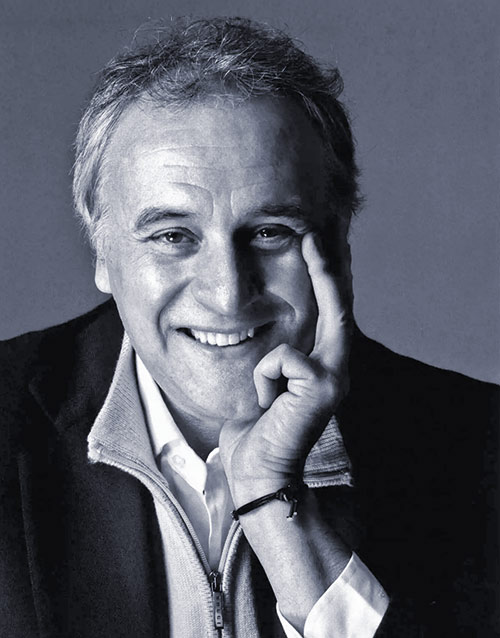 Born into a dynasty of entrepreneurs renowned in the nickel and steel industry, Claudio Terruzzi has served as President of Federacciai and President of Assofermet. He was Vice President Italy for Waste Management, a multinational leader in the environmental sector, and since 2002 he has been Chief Executive Officer of Global Engineering, an international center of excellence in services for large-scale infrastructure development and environmental quality improvement. For his initiatives — including the conception and development of the EcoRivestimento project — he received in 2005 the “Angelo dell’Anno – Environment Category” award, granted to individuals distinguished for civic commitment and social responsibility.
Global Commitment and Social Vision
Terruzzi’s path extends internationally as well. He became a member of the World Solar Foundation, a non-profit organization established in 1997 on the initiative of UNESCO to reduce poverty in developing countries through investments in renewable energy.
His commitment stems from the desire to actively contribute to the transfer of knowledge related to renewable energy and clean technologies to developing countries, driven by the belief that broader shared well-being will translate into a better future for present and future generations.
Vision
To reduce pollution and improve quality of life through intelligent materials capable of acting continuously and naturally within the built environment.
The Founding of GEI
In the early 2000s, Claudio Terruzzi envisioned healthier cities made possible by intelligent materials capable of tangibly improving air quality and the environments in which we live. From this vision, Global Engineering Italia (GEI) was founded — a company combining engineering expertise, applied research, and environmental responsibility to design and develop technological materials and intelligent solutions.
From the outset, the mission was clear: to create healthier, cleaner, and sanitized environments through cutting-edge technologies capable of acting continuously and naturally against atmospheric pollution and microbial load.
The Insight: Titanium Dioxide
During a trip to Japan, Terruzzi discovered the use of titanium dioxide (TiO₂) in self-cleaning sanitary ceramics. It was a groundbreaking insight: to bring that technological principle from ceramics into the urban environment, integrating it into cement, paints, coatings, and urban surfaces to reduce air pollutants and improve environmental health through light-activated photocatalysis.
This marked the beginning of collaborations with leading research centers and the development of an advanced crystallographic treatment capable of amplifying the photocatalytic performance of TiO₂ and extending its effectiveness across multiple urban and indoor applications.
From Research to Projects
Between 2000 and 2015, Global Engineering 11 patents and launched an increasingly large-scale testing phase, transforming research into practical applications:
(2004): experimental chamber for testing the reduction of organic pollutants through photocatalysis.
Segrate – Via Morandi (2003/2004): first photocatalytic concrete road, achieving average pollutant reductions of up to 60%, with first-rain runoff water free from typical acidic residues.
Vertical applications: photocatalytic paints and plasters capable of cleaner surfaces over time while reducing bacterial load.
Infrastructure projects: panels, road dividers, “smog-eating” (Milan – Via Porpora, Bolzano), and international projects (Shanghai) with documented of up to 80% under experimental conditions.
Transparent version: treatment for glass and glazed surfaces with a lotus-effect performance.
Hybrid asphalt–cement system (Ecodrenante, 2007): improved grip, extended durability, and integrated photocatalytic capacity.
Markets and Applications
GEI has collaborated with public institutions and private operators in road infrastructure, tunnels, civil construction, healthcare facilities, and large indoor environments. The technology has been applied to roads, tunnels, façades, glass surfaces, high-traffic environments, and areas where air quality is critical.
A Transitional Phase, Then a New Beginning
In the mid-2010s, the market was not yet fully ready for the widespread adoption of these solutions. GEI chose a strategic operational pause to focus on emerging technological scenarios and more favorable contextual conditions.
Today, with significantly greater environmental awareness and effective activation technologies operating even under visible light, GEI returns with the same vision, renewed industrial maturity, and an enhanced portfolio of solutions strengthened by our proprietary crystallographic treatment.
Today
We continue to innovate to reduce urban pollution, improve indoor air quality, simplify surface maintenance, and support health, sustainability, and resilience goals in the spaces where we live and work.
Timeline (milestones)

The GEI vision emerges: intelligent materials for healthier cities.
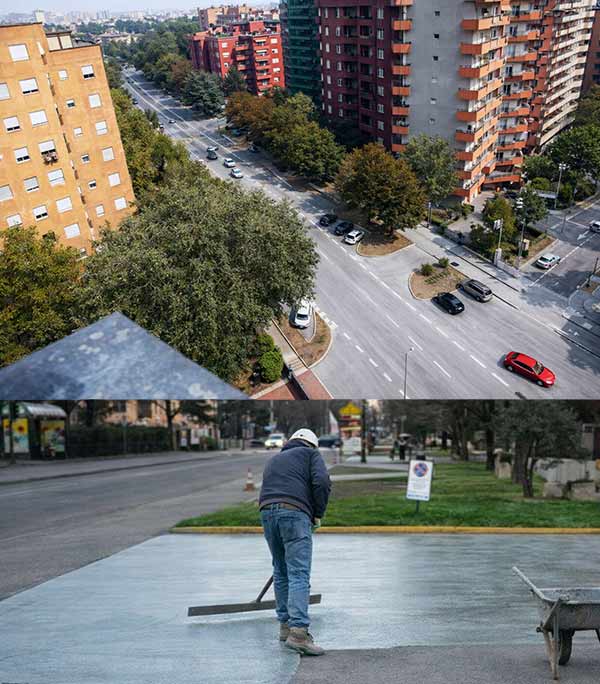
Segrate, Via Morandi: photocatalytic road EcoPittura and EcoRivestimento.

Photocatalysis enters the national environmental guidelines
The Italian Ministry of the Environment introduces Technical Sheet ST-001, recognizing TiO₂ photocatalytic materials as a technology for the reduction of NOx, VOCs and other atmospheric pollutants.

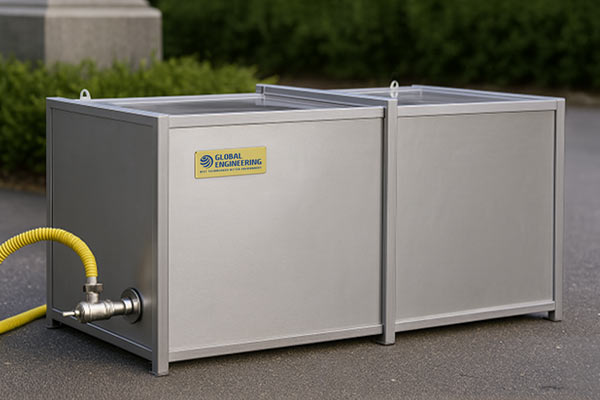
EcoBox: first experimental device for odor and pollutant reduction.
Ecodrenante: hybrid asphalt–cement system with photocatalytic properties.
Bologna: with Pavimental, photocatalytic treatment of New Jersey barriers and toll booth pavement.
Milano Serravalle: with Gavio Group, photocatalytic pavement for motorway toll booths.
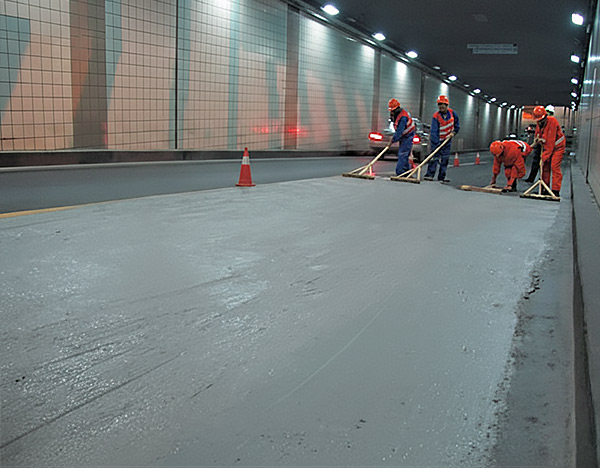
EcoTunnel (Shanghai): validation in international contexts.
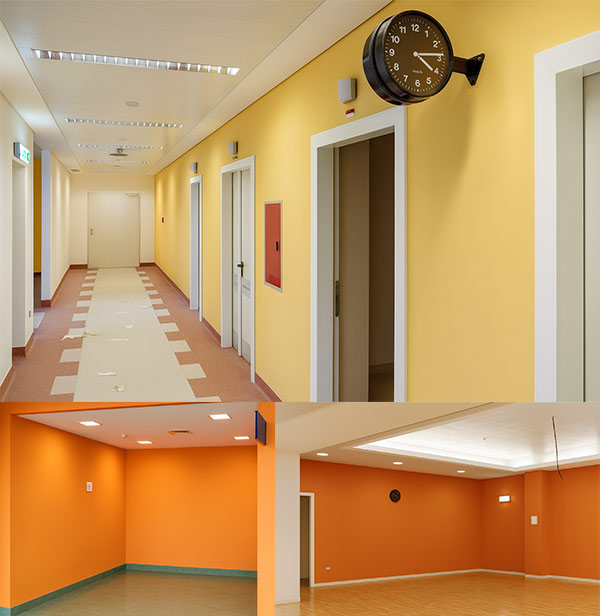
Ecopittura Microbial reduction in indoor environments at the Humanitas Clinic in Rozzano.
Chiusura dell’attività.

Global Engineering Italia: relaunch with advanced technologies and an unchanged mission.
The following inventions are part of Global Engineering’s historical patent portfolio and belong to patent families, filing priorities or technological developments incorporated into subsequent patents.
Why GEI
Clear Mission
We design intelligent materials and solutions that improve quality of life.
Measurable Impact
Documented reduction of NO₂, benzene, toluene, CO, and significant reductionof bacteria, yeasts, and molds.
Proprietary Technology
Advanced TiO₂ crystallography for superior performance.
Reliability
Over twenty years of experience spanning research, prototyping, and real-world infrastructure projects.